This snippet has been taken from “Creative Homeowner Ultimate guide drywall Creative homeowner, Upper saddle river, New Jersey”. Natural paints offer a sustainable and inexpensive way to add unique colors to your home & typically are made with linseed oil and a natural solvent. “Painters Washington DC“, offers you detailed information on this topic.
Natural paints
Applying brush and roller textures
Almost any implement will leave some type of pattern in wet joint compound. Jab- and – dab techniques make use of textured brushes to create distinctive patterns, and you can achieve similar effects using textured rollers. For either of these methods, apply thinned joint compound to the wall or ceiling surface as described for the orange- peel surfaces. Then, while the mixture is wet, you can jab and dab at it with a sponge like the one shown (or a special brush), or you can roll it using a textured roller.
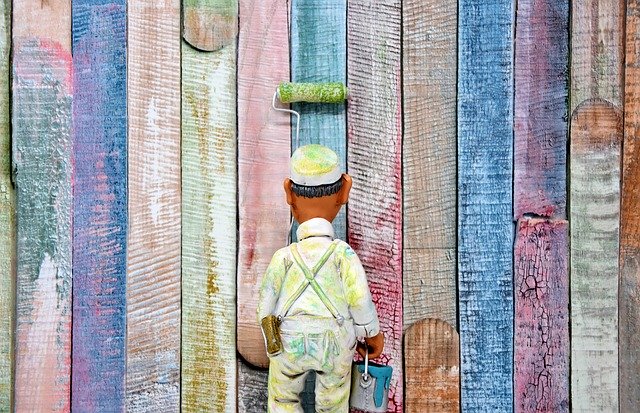
Textured roller sleeves resemble those used for conventional paint rolling, except that they’re covered with a pattern of plastic strands or wires. When rolled across wet joint compound, these strands or wires leave behind a random pattern.
Another textured look can be achieved using a textured brush. This tool resembles a two- headed, side- by- side cloth mop. QA handle yokes the two heads, making it easy to press the device into the wet joint compound as you move randomly across the surface to create the texturing. Apply it to the same thinned joint compound that you’d use for the orange- peel textured finish. With a smaller brush or even a sponge, you can make smaller patterns, but this will be a lot more labor- intensive and tedious.
Applying sprayed finishes
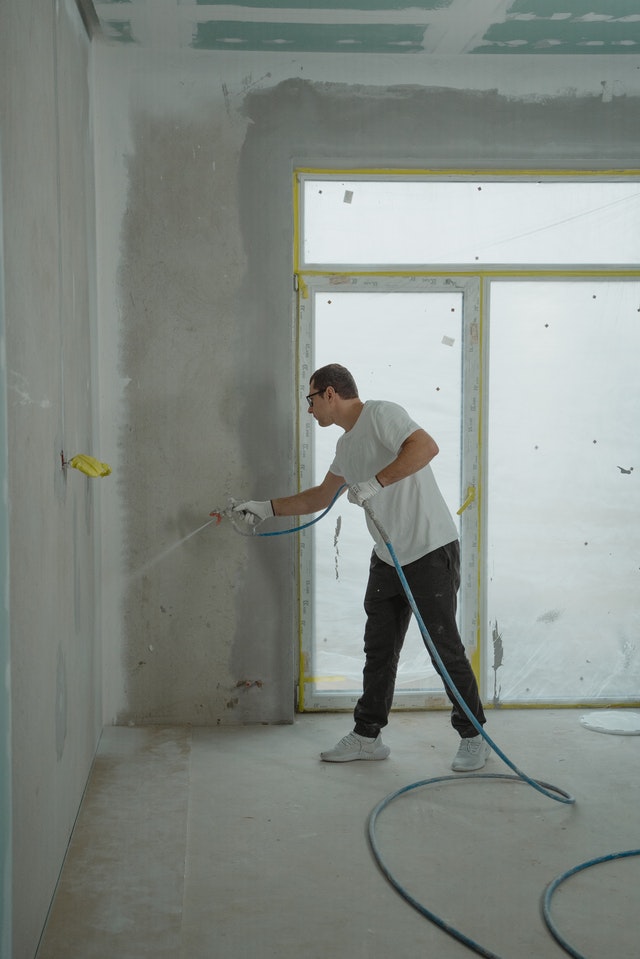
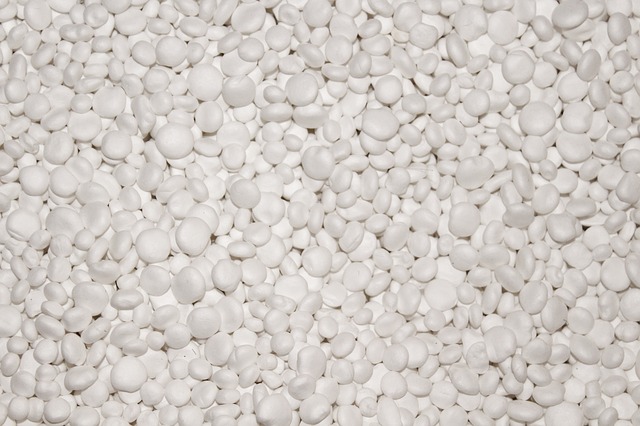
Unlike most texturing treatments, blown ceilings and walls require advanced skill equipment that most people will have to rent. A popcorn- like material (polystyrene or vermiculite is fed from a hopper to an airless spray gun, which is attached to an air compressor. Once it is blown onto the surface, it is left to dry without retouching. This texturing takes some practice to apply properly, so consider hiring a painting or drywall contractor to do the work for you have no experience with it.
Another common treatment is an orange- peel finish. You create this texture by spraying watered- down joint compound through an airless paint sprayer. If left to dry untouched, the surface will resemble that of an orange peel. However, you must add just the right proportion of water, and mastering the spraying technique takes lots of practice. (An orange- peel finish can also be applied by hand.)
Green or natural paints
If you opt for a painted finish, consider a “greener” paint. Paints produce VOCs (volatile organic compounds) that are harmful. Combine that with tight- home construction where outdoor fresh air is limited due to energy concerns, and the typical weekend painting project can lead to green paint: natural paints, Zero- VOC paints, and low- VOC paints.
Natural paints
Natural paints are water- based products made from such ingredients as water, essential oils, clay, and even milk and milk- byproducts. Linseed oil and citrus oil are also used in some of the natural wood stains, oils, and waxes used for natural finishes on wood. These natural paint products could also be categorized as zero- VOC products because they do not off gas, unless you consider the smell of essential oils and citrus a product of off gassing. Search “natural paints” on the internet.
Zero- VOC paints.
The Environmental Protection Agency has set VOC limits for paint. To be considered zero- VOC paint, it must contain less than 5 grams per liter.
Low- VOC Paints.
Low- VOC paints and finishes are almost invariably water- based, although some alkyd paints qualify. To meet the EPA standard that allows the use of the “low- VOC” label on the can, they must contain less than 250 grams per liter for latex paint and 380 for alkyd paint.
Continue reading on Natural wood finishes